William Luu: Calling it a Day
3.
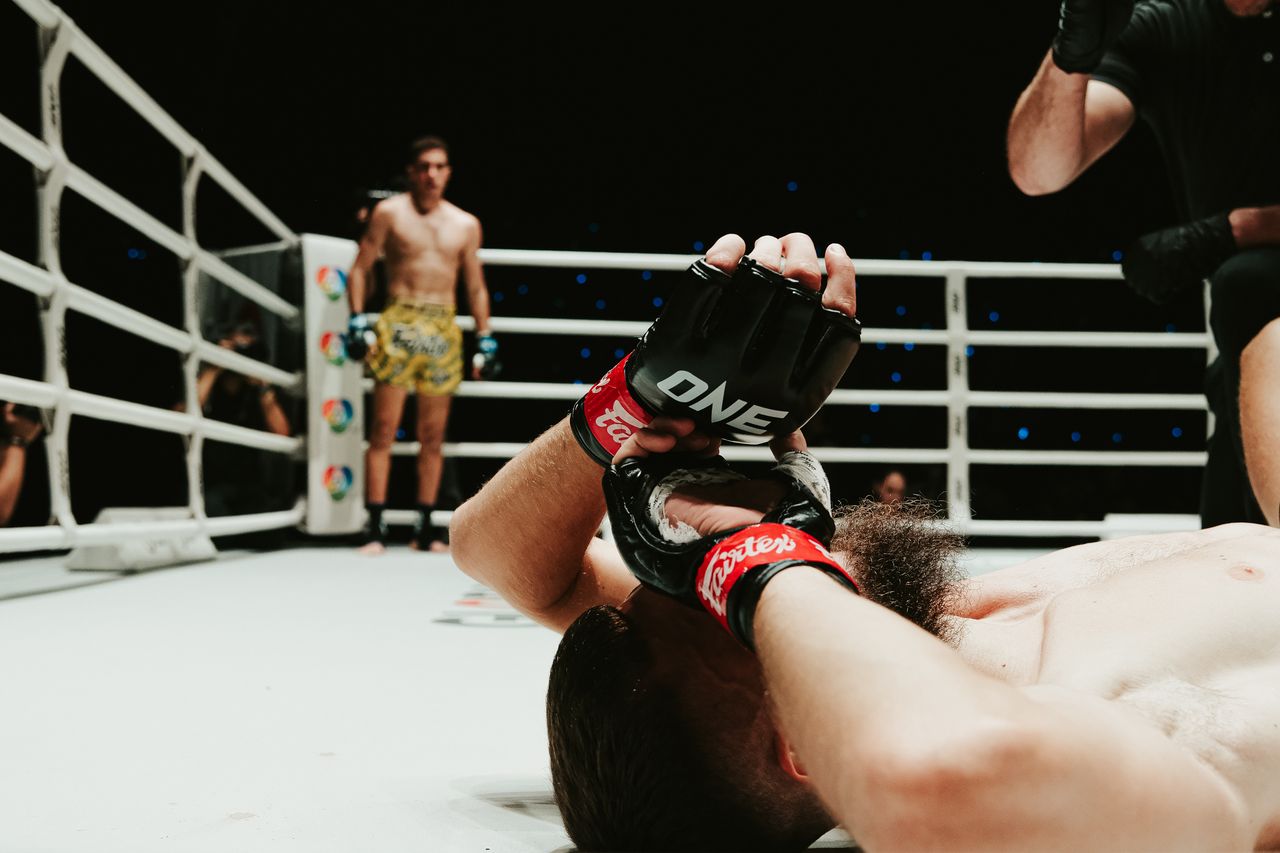
That intimacy doesn’t just develop an aesthetic sense. It also develops an empathy for the athletes involved.
‘Most people think about the blood, the violence, the KOs, but they forget the person on the other side. It could be a friend being knocked out. You become aware of friends and wives witnessing their partner being hurt.’
Being close to the athletes also fosters a sense of camaraderie.
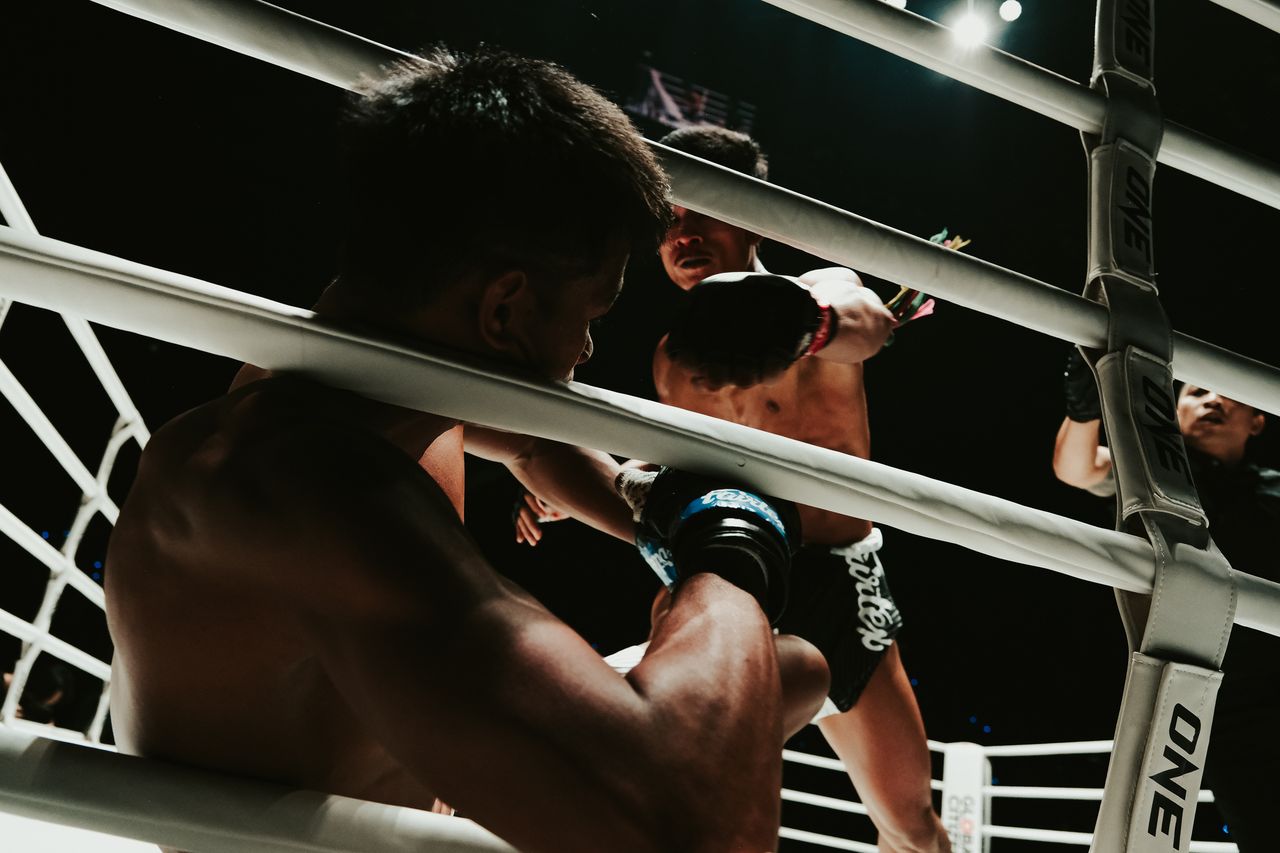
‘It’s a privilege to be ringside; a privilege to capture these raw moments. If you’re going to do it long term, it requires trust that you’re not there to capitalise on people’s vulnerable moments. That gets you access, time and time again. You need to think about what you’re giving back, and what you’re using it for.’
Event photography requires a broad skillset, and in the fight game, you need to be able to negotiate interpersonal dynamics.
‘Once you step back, you can see what really burned you out. The feeling of having to be there and being bound to it; lots of events, lots of clashes and politics makes it messy. You’re often forced to pick sides and play the political game. I’m over it!’
He does, however, have some practical advice to offer aspiring photographers.
‘As long as you can maintain a professional relationship, other people’s problems aren’t going to become a problem. Stay out of conflicts and don’t pick sides. Stick to your reasons [for being there], and stay away from other people’s beefs.
As someone who has no idea about any art form other than the written word, it makes sense to ask about equipment. How does technical skill, harnessed through specific tools, achieve atmosphere and effect? The pragmatism of his answer is surprising.
‘I borrowed it,’ he says. ‘I used my dad’s gear to begin with, and bought my own over time. It’s not the gear; it’s understanding the situation and making the best of what you have. The gear was about the way those images would be used. Social media at that time meant predominantly landscape pics at a certain resolution, and that was it.’
**
Retirement from event photography has brought a shift of focus, now that Luu is married and running a number of businesses, a successful inner-city café being one of them. He also remains active in media and branding for both gyms and promotions.
‘Earlier in the year, I went to the Rebellion show, ‘Roots 31’. I’d been heavily involved in their media and branding for about ten years. I attended as a guest for the first time. I went straight from the café, where we’re doing some renovations. I brought a friend with me; I wasn’t sure I was ready to do it emotionally.
‘Anyone who picks up a camera has the goal of being ringside: it’s the best seat in the house. After fifteen years – 350 fights – I wanted to be as far away as possible, in the darkest shadows, where few people as possible would see me.’
‘The people I saw asked if I missed it. You become emotionally detached – all I see is red-corner-blue-corner, even when friends [are] fighting. I’m not sure what effect that will have… long-term. You become desensitised to the violence. It’s normal for me.’
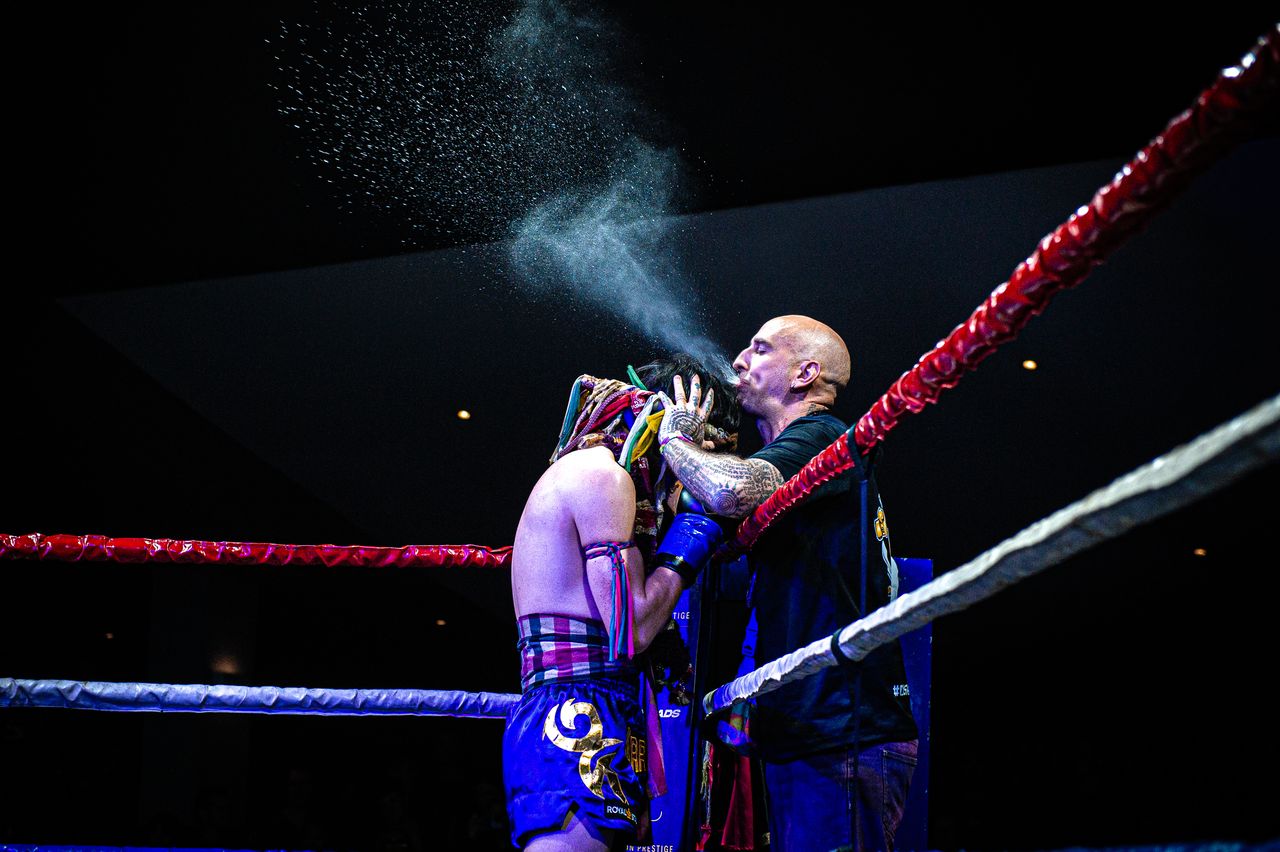
Retired or otherwise, William’s presence continues to resonate. His images provide a window through which many people not only perceive, but understand, the beautiful paradoxes at the centre of combat sports. Those images are not simply a feature: they become the lens of perception itself.


Leave a Reply