William Luu: Calling it a Day

2.
When he began working on shows, chaos was the order of the day.
‘It wasn’t the people [that wore me out]: it was the chaos involved weekly. I wasn’t just doing the photos; I was doing the posters, doing the marketing, social media: promotions leading up to the events where the event photography became secondary.
‘It’s stressful, especially when working closely with the promoter. You take on the stress, whether you want to or not. You’re constantly in a state of hyper-arousal. Think about a fighter; once they finish a fight, they have a few months to rest and recover. But when there’s another show on, you’re back in that state of hyper-arousal.’
Hyper-arousal also describes the character of social media, especially Instagram and its image-heavy currency.
‘I came in at the tail-end of the magazine, and the start of the wave of social media on Facebook. There was less of an interest in printed text. People were more interested in “lower friction” media, such as photographs, videos and audiobooks. The game was changing, and I knew I’d be a part of the change.’
Your author was not a part of that change. The closing of the print magazines – International Kickboxer and Blitz, particularly, represented the changing of the guard which saw him out the door.
‘I knew how to do it, because it was in my generation. No one was doing it in combat sports, so I had a crack, and it paid off. I utilised Facebook, when it was relevant at the time. Promotions had to learn to invest content in social media, rather than posters and billboards around town. How would social media enhance their brand?’
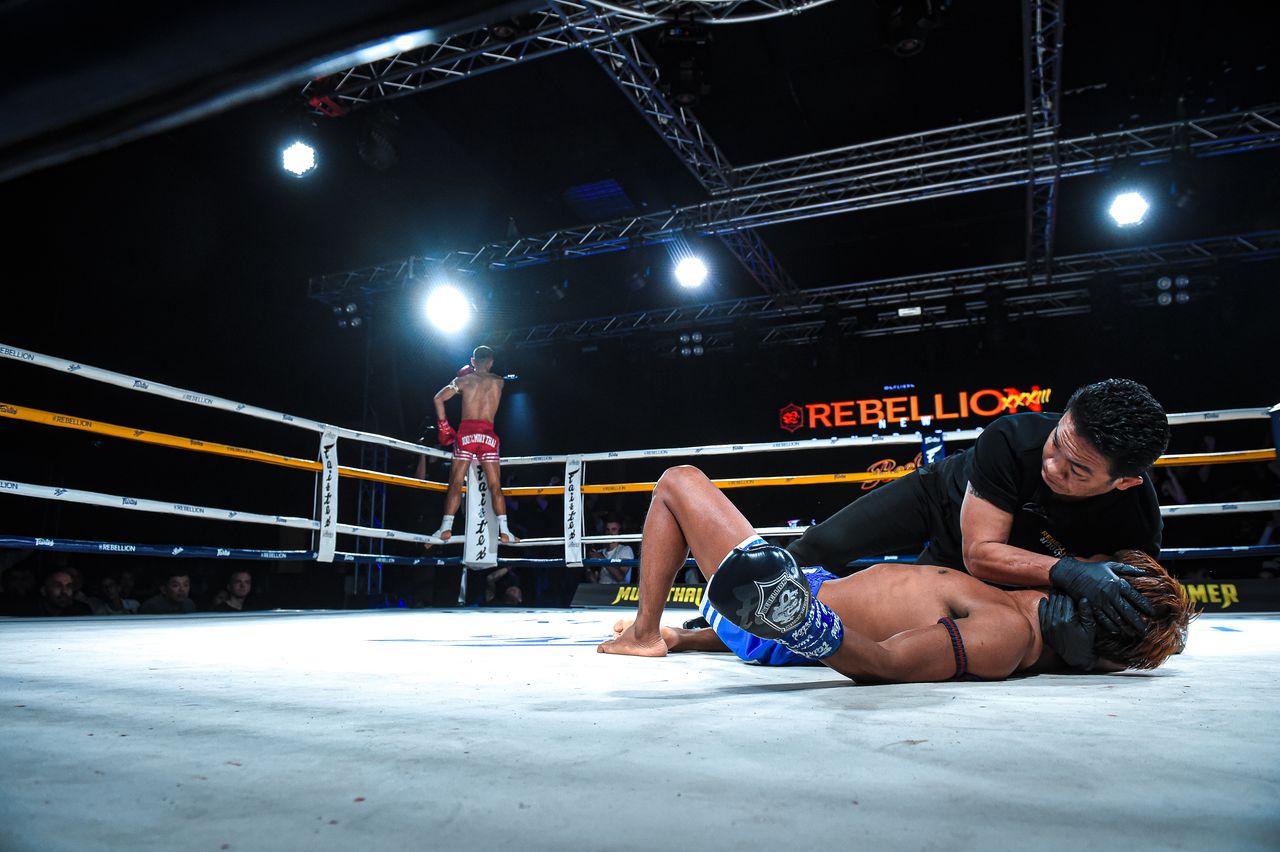
Luu married this technical savvy to a work ethic that was almost pathological.
‘At a Friday night fight show in 2012, Perry Cale announced to the crowd, “You can contact William Luu for your photos first thing Monday morning.” I said, “You’ll get them tonight, after the show!”
‘I was so keen to make this work. That’s how I captured the market. I did free work for between six to twelve months; driving across town, doing a whole show for free. I called promoters, rather than sending DMs.’
**
‘Retiring is making a statement for myself,’ says Luu. ‘If I put it out there, it prevents me from coming back.’
That decision has put him in a reflective frame of mind.
‘Something I’ve been thinking about, and I think it’s triggered some people, is, ‘Do you need experience or involvement in combat sports to be involved in combat sports media? My answer is yes, because it worked for me, but it’s not necessary.
‘A good trainer doesn’t need to have been a good fighter, but it helps. Just because you’ve got a degree or certificate, it doesn’t make you a good photographer. I cut my teeth in the gyms when I was injured. I learned how to get up-close-and-personal from being in the gym. You learn to recognise the detail, which translates into authenticity.’


Leave a Reply